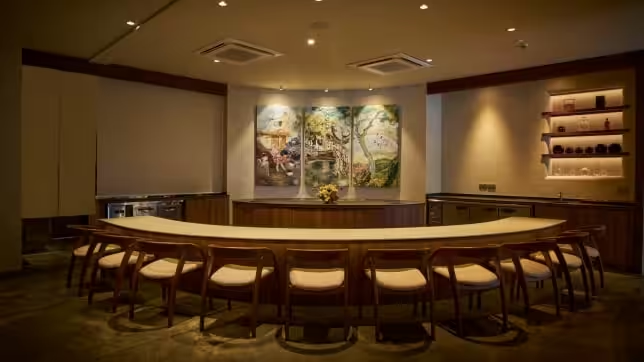
Chef Ace Tan is opening a new fine dining restaurant. ASIN, pronounced “Ace-in”, will open at 38 Carpenter Street on 6 May 2026. His business partner is Desmond Heng of Suguru. The restaurant seats just 22 diners. It has a 10-seat counter, a four-seat main dining hall, and a private dining room that fits up to eight guests.
What does ASIN mean?
The name is a play on the word “Asian.” It is also a reference to the word “asin,” which means salt in Tagalog and “salty” in Bahasa Indonesia. Salt, as Ace sees it, is the foundation upon which all other flavours are built.
What kind of food does ASIN serve?
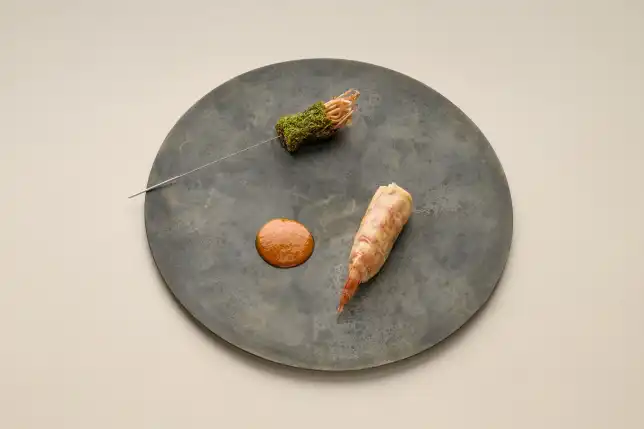
ASIN serves an eight-course tasting menu at $188++ per person, with optional supplements available. The food falls under what Ace calls Progressive Asian Cuisine, a style he developed over 18 years working in Singapore, Korea, and other kitchens. The menu draws on ingredients and traditions from Southeast Asia, Korea, Japan, and China. It changes with the seasons, guided by the Four Seasons of Asia and the Five Elements philosophy. Techniques include pickling, fermentation, and preservation.
What are the menu highlights?
Dim Sum & Appetisers
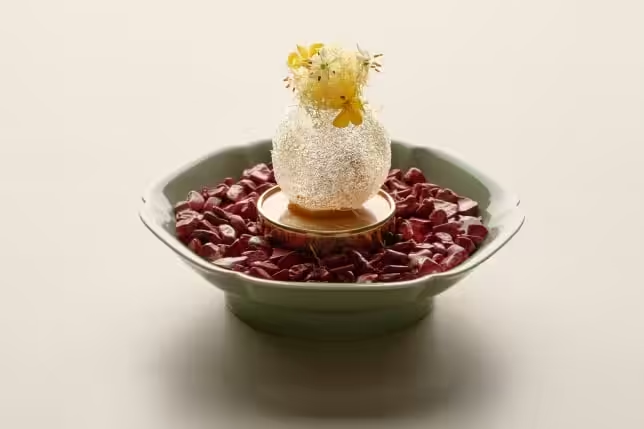
The meal opens with dim sum bites. One is an Oyster Omelette, a hawker classic reinterpreted as a crystalline sphere. Baby oysters, lightly grilled, sit inside with egg and Chinese egg floss, finished with garlic chive flowers and a Thai basil chilli sauce. The presentation changes each season, with the serving discs and pebbles shifting in colour and material accordingly.
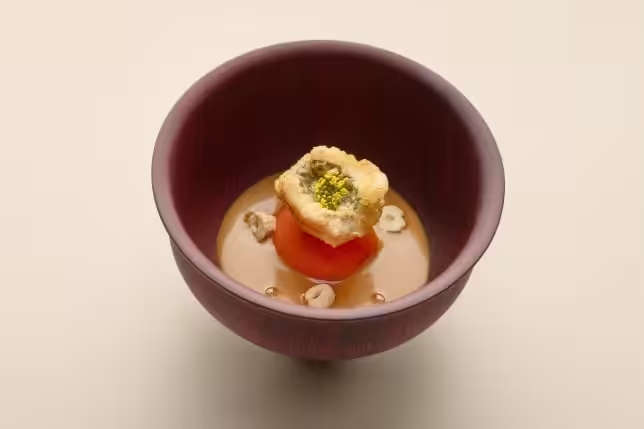
A second bite, Assam Tomato Hamo, features pike conger eel in light tempura batter alongside an Amela tomato hollowed and filled with a kombu jelly set within its own skin. Tamarind assam and perilla oil bring the dish together.
Tori Luffa Bao follows — a steamed bao with beetroot-coloured house-fermented dough, filled with chicken braised in Dong Qu yellow wine, sweet jujube, and luffa gourd.
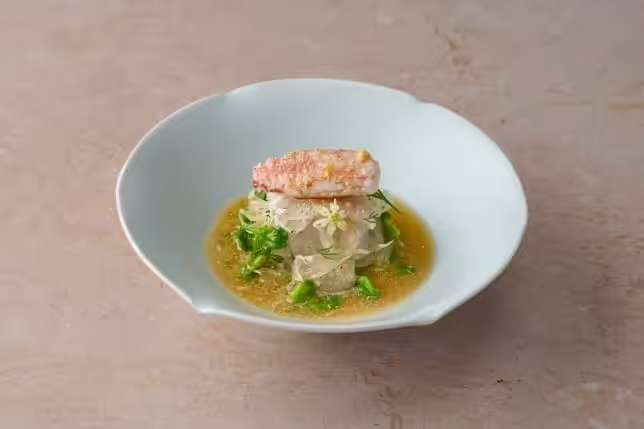
Among the appetisers, Yum Pu Ma Noodles draws on Teochew and Thai traditions. Teochew-style raw marinated soy crab sits at the base, layered with fern, rice noodles, and steamed crab legs, alongside a salad of Ceylon spinach, hanaho flowers, pomelo, and walnuts, dressed with white beancurd and a nuoc cham-inflected sauce.
An optional supplement, the FTQ Dumpling (+$35), takes its name from Fo Tiao Qiang (Buddha Jumps Over the Wall). Spiny sea cucumber stuffed with scallops and fish maw is slowly braised, then paired with poached Korean abalone and garnished with pickled goji berries and perilla oil.
The Mains
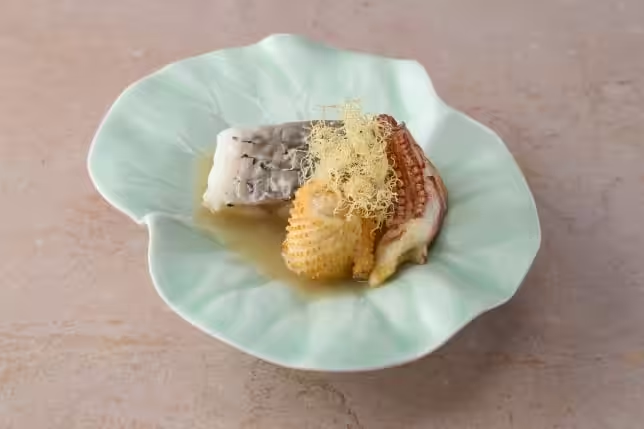
For mains, Black Beauty reworks the Southeast Asian steamed fish tradition. Black emperor fish loin wraps around velveted belly meat and moroheiya, accompanied by poached Hokkigai surf clams and three sauces: a hua diao wine reduction, a green moroheiya and clam jus, and a jungle garlic caramel.
Jiang Mu Ya offers crystal skin duck with mountain yam rice and a clarified consommé of duck and chicken bones with old ginger, watercress, and watercress stem oil. The dish functions as a considered break between richer courses.

A supplement option, Pepper Hanwoo (+$55), presents grilled Korean Hanwoo beef in two ways: one half coated in Sarawak white peppercorns, dehydrated mushrooms, and white sesame; the other left plain. A bokbunja-enriched pepper jus, black garlic, kumquat kosho, lily bulb, and grilled leek accompany it, so diners can compose each bite themselves.
Desserts
Dessert includes Biwa Honey Sago, inspired by jiu niang. Fermented coconut and glutinous rice with sea salt form the base, layered with braised tapioca, wild bird’s nest from East Malaysian caves, stingless bee honey, and chrysanthemum-poached loquat.
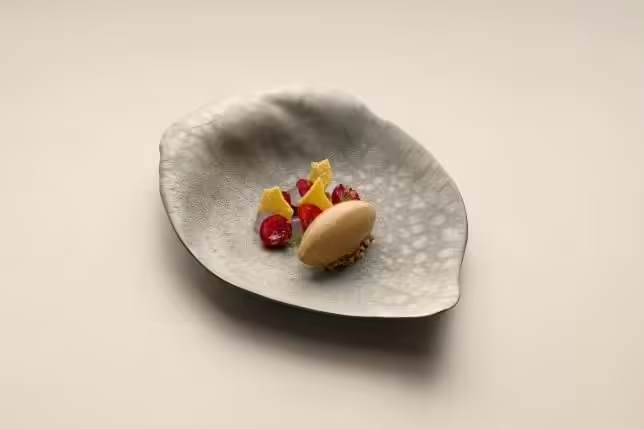
Another dessert option, Gula Apong Caramel (+$18), centres on Sarawakian mangrove palm syrup — a smoky, mineral-rich sweetener. A palm caramel sherbet rests on salted cashew crumble with dehydrated shoyu crumbs. Japanese cherries in sour plum, attap seeds, and a decaf coffee jelly complete the dish, finished with a coconut tuile.
Who is Chef Ace Tan?
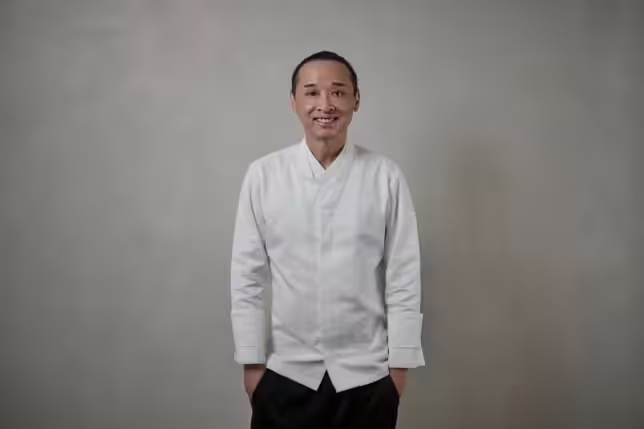
Ace grew up in Singapore, spending time around hawker centres and wet markets. His extended family ran a Traditional Chinese Medicine shop, which gave him an early understanding of food as nourishment.
He has spent 18 years working across different kitchens. After Les Amis, he moved to Korea. Upon returning to Singapore, he opened ASU, where Progressive Asian Cuisine took shape. ASIN is his next step.
What is the dining experience like?
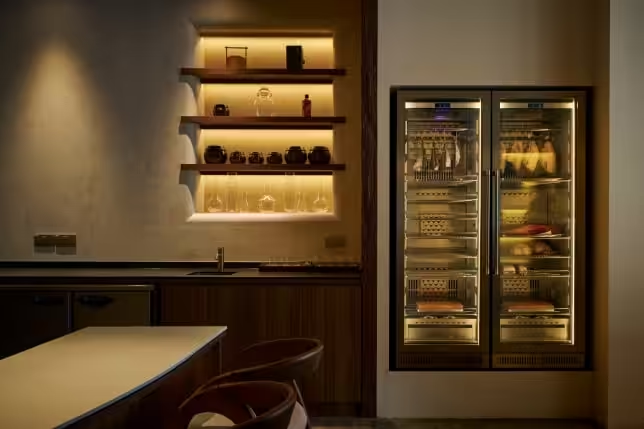
The restaurant calls itself a “progressive Asian atelier.” The interior reflects the Five Elements philosophy. Bespoke tableware has been made to complement the food. The team is drawn from across Southeast Asia.
An archive within the restaurant documents the kitchen’s ongoing research, including recipes and shi liao principles. The aim is for knowledge to be shared rather than held privately.
A meal at ASIN is designed to engage more than just taste. Ace wants diners to leave with a greater awareness of how food relates to the body and the season.
Is ASIN open for lunch?
Not yet. The restaurant will open for dinner only, from Wednesday to Sunday, 6pm to 11pm. Last order is at 8.30pm. It is closed on Mondays and Tuesdays. Lunch service will be introduced at a later date.

Is ASIN worth visiting?
For diners interested in how Asian culinary traditions can translate into a fine dining format, ASIN is an option to explore. It joins a growing number of chef-driven restaurants in Singapore exploring Asian identity through a contemporary lens. The small capacity means tables will likely be in demand.
ASIN
38 Carpenter Street, Singapore 059917
Tel: +65 9722 9638
Open Wednesday to Sunday, dinner only, 6pm to 11pm
The Ordinary Patrons | Real Dining Experience of Ordinary People
an independent Singapore food blog
Discover more from The Ordinary Patrons
Subscribe to get the latest posts sent to your email.